

Stop trying to make learning fun
Why satisfaction, not entertainment, is the real key to meaningful learning

I’ve never been a fan of the “learning must be fun” approach that’s so popular in mainstream education and heavily promoted by the educational products market. It seems to rest on the idea that kids won’t learn unless we make it entertaining for them. That really annoys me.
As a learner I know that sometimes learning is hard work. Sometimes it’s uncomfortable. But I still push through because I have a goal, something I want to achieve. Often I get stuck making the same mistake over and over until, finally, something clicks and I can see what I’ve been doing wrong. I might try a different method, or ask for help. Either way, I’m in control of the process. That doesn’t make learning fun, but it does makes it satisfying.
Kids are like that too. Satisfaction is enough. Learning doesn’t have to be fun all the time.
The movement to make learning fun actually started with sound educational research. Children do learn when they’re enjoying themselves. No one doubts that. The problem, in my view, is how these original ideas have been twisted.
Children learn most effectively through play because they control the play. It’s not something they’re made to do for an external purpose. Play is self-directed, full of intrinsic motivation.
Adults, especially educators and resource creators, have long been fascinated by the idea that we can harness that energy and direct it towards educational outcomes.
Somewhere along the way, however, we confused fun with entertainment.
Being entertained is mostly passive. Having fun, on the other hand, requires active involvement. Fun is created by the player; entertainment is created by someone else.
Children have the most fun when they’re being creative. That’s why so many educational games and learning aids don’t hold their attention for long: they’re used once or twice, then forgotten. (Believe me, I’ve got shelves full of such things!)
What I’ve noticed over the years is that the games and imaginative worlds children invent and play are rich with learning across all areas of the curriculum. Think of dress-ups, cubby building, dramatic role play, and miniature play with cars, LEGO, dolls, or train sets. Even video and computer games can be powerful learning spaces.
Our role as adults isn’t to take over that play but to gently support and extend it. We can add new props or ideas that fit within the play’s theme, nudging it in fresh directions. When done respectfully, children love this kind of collaboration.
But children have an uncanny knack for spotting “fun” activities that are actually lessons in disguise. They know when they’re being manipulated. And they’ll usually resist it.
There is a more compelling reason why I’m wary of the “learning must be fun” mindset: play belongs to the child. It should not be manipulated or used as a tool for our educational agendas.
Yesterday I spent the afternoon playing games with my grandkids. And, of course, education is always somewhere in the back of my mind whenever I’m around kids.
We started by playing The Amazing Labyrinth. We usually play cooperatively, finishing the game one after the other. But yesterday, I was a long way behind, still six moves from home while everyone else was nearly done! Watching the kids weigh up whether to help or hinder each other was fascinating. Sometimes helping someone else came at a personal cost. There was even a bit of bartering: If I help you now, will you help me later?
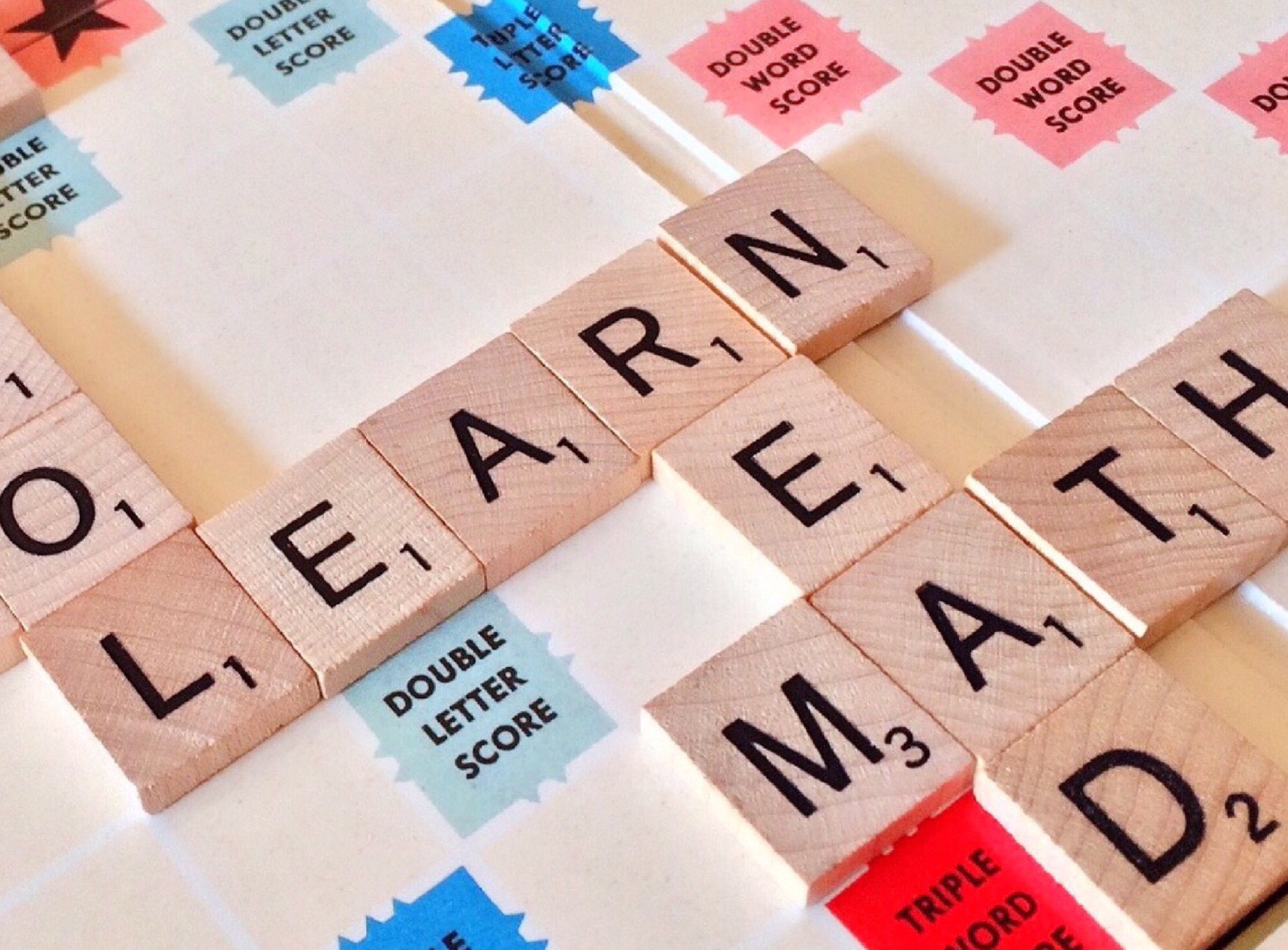
Next, we moved on to Bananagrams and Rummikub, which challenged the kids’ spelling and number skills. I wouldn’t describe those games as “fun” exactly, mostly absorbing and satisfying. Both games stretched the kids just enough. We modify the rules to suit their ability, and instead of urging them to work everything out for themselves, we talked them through the spelling and calculating strategies that work for us, and trusted that the children would, with more practice playing, figure out how to do that confidently without our help over time.
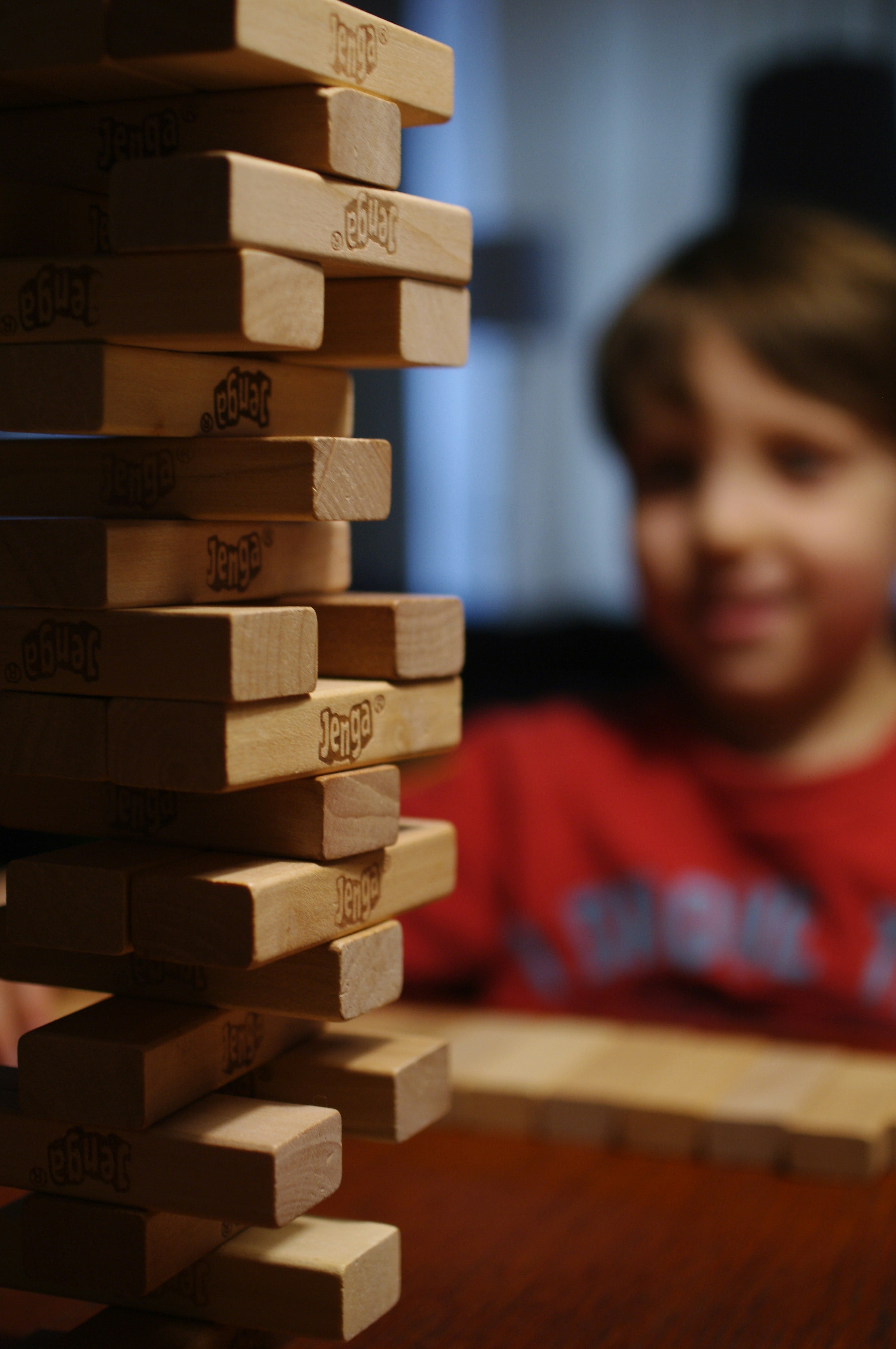
Finally, we played Jenga, always a hoot. The tower grew ridiculously tall and wobbly, and no one knew who’d be the one to send it crashing down. Our granddaughter loves to film the action as it gets close to the end of the game.
The Amazing Labyrinth tested our teamwork and social skills. Bananagrams and Rummikub practiced skills and were satisfying. Jenga was pure fun.
The learning embedded in playing these games isn’t immediately obvious, but it’s there. Years of experience have trained my eyes to see it: the problem-solving, cooperation, persistence, and emotional regulation that happens naturally as we play.
Creating a playful home environment doesn’t take much effort. Fun is contagious, especially when the focus is genuine enjoyment rather than a hidden lesson.

I’m dropping Notes most days and would love to connect with you that way — you can add a comment or like. Don’t forget we can keep the conversation going on any of my posts by adding a comment there too.
If you’re homeschooling in Australia, don’t forget to download my FREE Resource Directory for a bumper list of educational and curriculum providers and suppliers, as well as comprehensive guide on getting started how to register as a home educating family.
Subscribe to my newsletter and you’ll never miss an update: every new post is sent directly to your email inbox. Free or paid, you’ll still get at least one email each week. My regular posts won’t ever be behind a paywall.
Whatever your approach, your lifestyle or education philosophy, I’m here to support you. Take what you need, leave the rest. I want you to lean on my experience because I’ve leant on others — we are in this together, growing and learning from each other!
That’s all for now! Until next time, Beverley

Here’s what you can expect from my regular newsletter:
Themed Weekly Focus: Each week has a clear focus, helping you strengthen key areas of your homeschool without feeling scattered.
Encouragement for the Hard Days: Because we all have them, and sometimes a fresh perspective is all we need.
Practical Tools & Ideas: Information about homeschool resources, hands-on activities, exclusive templates, and ways to simplify planning.
Real Talk About Homeschooling: Honest discussions about the challenges and triumphs from someone who has been there and done that, and whose kids are now homeschooling theirs!
Love this! I also don't like the 'making learning fun' approach. Learning CAN be inherently fun if we're interested or motivated. But as you say sometimes it might just be that there is something we NEED to learn and it's OK that it doesn't feel fun. It has a purpose and so we are motivated to learn it. The distinction between what is learning/educational and fun is often unnecessary. I've been writing something about how I have started to dislike of the word 'educational' but haven't finished it to post it - this has inspired be to go back to it.
Loved this piece! Totally agree. Autonomy in guided play is key to playful learning. One of our favorite topics to write about! Thought you might enjoy this LEGO Foundation white paper we find ourselves going back to often: https://cms.learningthroughplay.com/media/psybkjsc/report_playful-learning-and-joyful-parenting.pdf