

Unit Studies: The Homeschooling Method That Lets You Teach Everyone Together (and Have Fun Doing It)

Yesterday I wrote about unit studies, prompted by a question from a homeschooler in my online group. Today I thought I’d delve a little deeper, and give a broader overview of this very popular homeschooling approach.
If you’ve ever wished you could teach all your children together without juggling a dozen separate lesson plans, apps or textbooks, and if you’re craving a learning style that feels more like an adventure than a checklist, then unit studies might just be your new best homeschooling friend.
Before we dive in, let’s do a little self-check. Do you…
Want or need a method that can easily accommodate teaching multiple ages together?
Prefer to ramble and mix things up, and see where it all takes you?
Enjoy spending long stretches of time exploring ideas with your kids?
See education as a joyful process of discovery rather than a tick-the-box by-the-due-date exercise?
Love to brainstorm?
Feel okay with a little creative mess?
Trust that, over time, your children will pick up the basics if they’re busy exploring a range of topics using different approaches and materials?
Get excited about researching ideas, hunting for information, or following interesting threads?
See yourself and your kids as imaginative, self-motivated learners?
Love learning in different ways and diving deep into topics?
Have, or can make, the time to follow a spark of interest until it naturally fades?
If you’re nodding along, then yes, you’re absolutely going to love unit studies.
What exactly is a unit study?
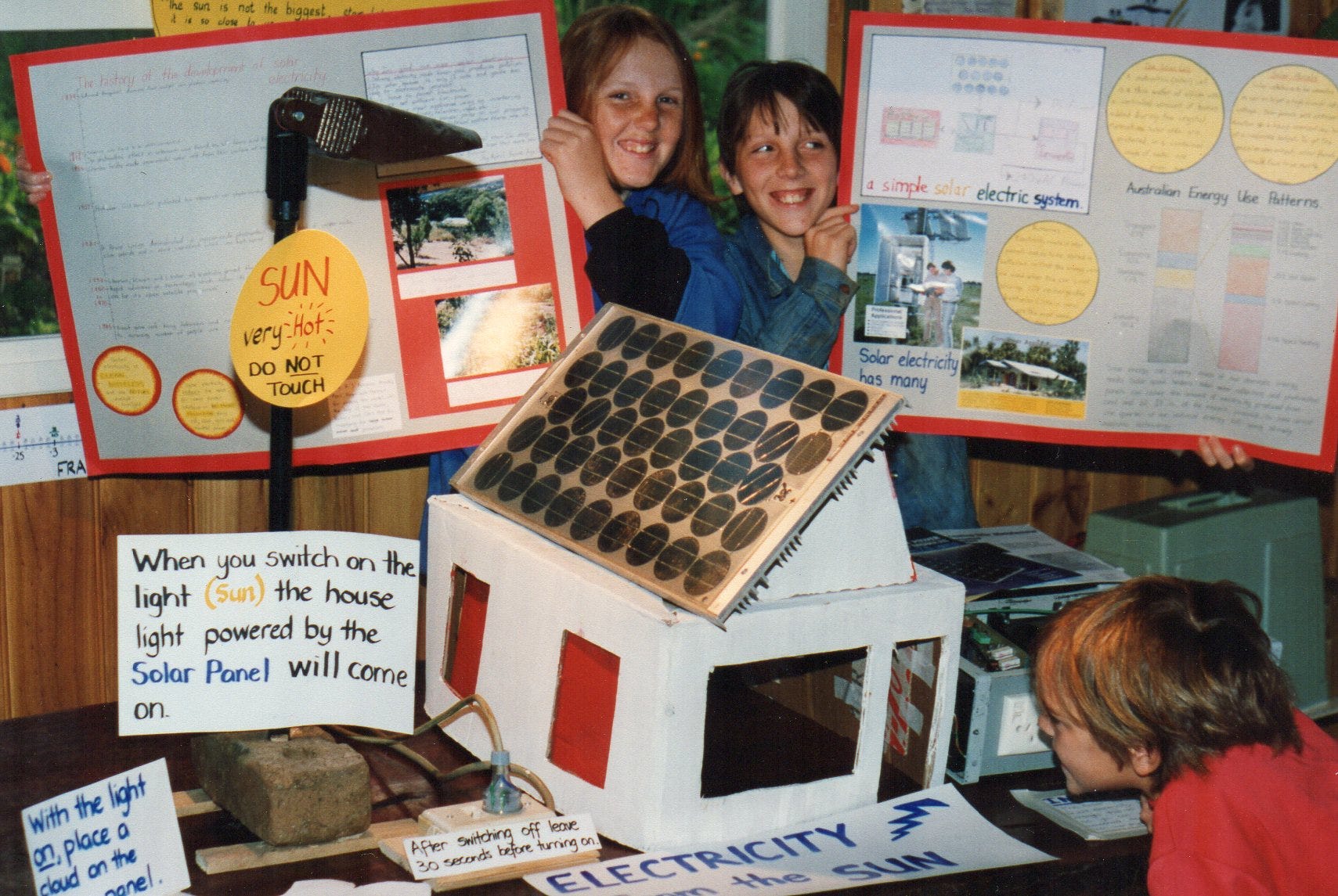
A unit study begins with a topic or theme, usually something your child is buzzing about, something from the curriculum, or something simply happening in your life right now. Around that theme you weave a collection of learning activities building skills and knowledge across different curriculum areas.
It’s naturally integrated, connected learning.
You’ll find that exploring a single topic in depth naturally touches on reading, writing, maths, science, history, arts, technology and more. The whole idea is that, instead of doing English or maths as separate lessons, unit studies build literacy and numeracy skills. And, as learning is immediately meaningful and hands-on, motivation stays high and your child is more likely to remember what they’ve learned.
As a kid I used to love doing ‘projects’ at school, and unit studies are a lot like those, though not quite the same as project-based-learning, which is also a popular method you can use as an educating parent, and well worth exploring.
Why we love unit studies
Unit studies really shine when you’re home educating children of different ages. Everyone studies the same topic, but at their own level. Focusing on the same central theme, one child might write a simple narration, another might build a model, another might dive into a more complex research question. They don’t all have to do the same thing, but chances are they’ll probably want to.
Many homeschooling and unschooling families love using unit studies because they:
work brilliantly across ages and abilities;
encourages independence, creativity, and deep thinking;
can be fun;
develop research skills and encourage curiosity;
are flexible and adaptable, making it easy to shift focus if interest wanes;
adapt beautifully for groups or co-ops.
And perhaps best of all: it turns learning into something you do together, not something you deliver to each child separately.
Ticking those curriculum boxes…
Your confidence that you’re covering learning goals across all curriculum areas when using a unit study approach will grow over time, and it can help to have an overall unit study plan.
These aren’t difficult to create. They can be simple or more complex: a hand-drawn ‘mind-map’ of linked areas you can explore about a particular topic, or a detailed outline that begins with an essential question and lists activities that promote research and reflection and culminates in a presented piece or collection of work.
You may like to take advantages of the thousands of ready-made unit studies available online, many of them free, before you dive into creating your own. Unit study resources developed for and by classroom teachers are suitable for use in the homeschool, although they usually require a little bit of tweaking. It’s okay not to do all of the activities, or in the order they’re presented.
A few favourites in the homeschooling world include:
Unit Study Adventures (Amanda Bennett)
Five in a Row (beautiful for younger children and book lovers)
Konos (big on hands-on discovery)
And of course, if you want to start creating your own, my Write Your Own Unit Studies e-book is there to help you learn the ropes.
Notebooking, lapbooks, and keeping records
I drew on my love of doing projects as a kid for ideas for doing and recording unit studies when homeschooling my kids and only learned about the very popular practices of notebooking or making lapbooks later. These are creative ways for children to collect and present their learning and often become treasured and frequently referred to keepsakes. They’re also fantastic records for home ed registration renewal moderation or reporting.
Some well-loved resources include:
A cost effective education
I wrote about this yesterday, so will only add this, basing your homeschool curriculum around unit studies, especially ones you make yourself, can also be a lot less expensive than purchasing student work-books and texts, online subscriptions, or a curriculum from a homeschool provider.
Everyday objects, library books, museums, nature walks, and online archives offer endless material you can tap into and use.
My The Educating Parent Resource Directory and e-book Learning Materials for the Homeschool list hundreds of ideas to get you started.
A few gentle cautions
On the downside, preparing your own unit studies from scratch can be very time consuming, particularly if your own research skills are a little rusty or you are not very imaginative or creative.
Finding the ‘right’ pre-made unit study can be time-consuming. Downloading and printing out pages of information that aren’t needed can be frustrating as well as a waste of time and paper. I’ve done this all too often!
Many also recommend resources that are no longer available, and finding substitutes could be difficult.
If your children are not interested in the unit study it can be incredibly disheartening, so it is best to engage their interest and enthusiasm early in the planning stage.
Plus, basing unit studies solely around their personal interests can lead to worry about gaps in their learning. This can be easily countered however, by identifying those gaps and targeting discrete lessons to cover them.
There is also the risk that you’ll focus more on content rather than building specific skills your young learner needs.
You’ll still need an overall homeschool plan to help tie all of the unit studies you use together to ensure you’re covering your homeschool goals for the year.
On the other hand, if you build everything around your children’s passions, you may drift naturally into the world of unschooling (which, honestly, isn’t the worst thing in the world!)
Final thought
If you crave connection, creativity, curiosity, and learning that doesn’t feel like school work, unit studies might be exactly the breath of fresh air you’ve been looking for. And the best part? You don’t need to know everything: all you need to be is willing to explore and learn alongside your children.
And isn’t that the very definition of an educating parent?

I’m dropping Notes most days and would love to connect with you that way — you can add a comment or like. Don’t forget we can keep the conversation going on any of my posts by adding a comment there too.
If you’re homeschooling in Australia, don’t forget to download my FREE Resource Directory for a bumper list of educational and curriculum providers and suppliers, as well as comprehensive guide on getting started how to register as a home educating family.
Whatever your approach, your lifestyle or education philosophy, I’m here to support you. Take what you need, leave the rest. I want you to lean on my experience because I’ve leant on others — we are in this together, growing and learning from each other!
That’s all for now! Until next time, Beverley

Here’s what you can expect from my regular newsletter:
Themed Weekly Focus: Each week has a clear focus, helping you strengthen key areas of your homeschool without feeling scattered.
Encouragement for the Hard Days: Because we all have them, and sometimes a fresh perspective is all we need.
Practical Tools & Ideas: Information about homeschool resources, hands-on activities, exclusive templates, and ways to simplify planning.
Real Talk About Homeschooling: Honest discussions about the challenges and triumphs from someone who has been there and done that, and whose kids are now homeschooling theirs!