

Homeschooling and Social Learning: a Perfect Match
From family chats to global communities: let's explore the social side of learning at home

Homeschooling is often misunderstood as a solitary pursuit, that of a child learning in isolation, apart from the bustling world of peers and classrooms. But those of us who live this life know the opposite is true: in practice, home education is often the most social form of learning there is.
Every day, learning unfolds through conversation, cooperation, curiosity, and connection. When learning happens within family life, in the home and beyond, every interaction becomes an opportunity for growth.
Here’s how home educating families make the most of social learning, often in beautifully simple, everyday ways.
Learning doesn’t happen in isolation:
it happens in conversation, in connection, in community.
The internet as a shared learning space
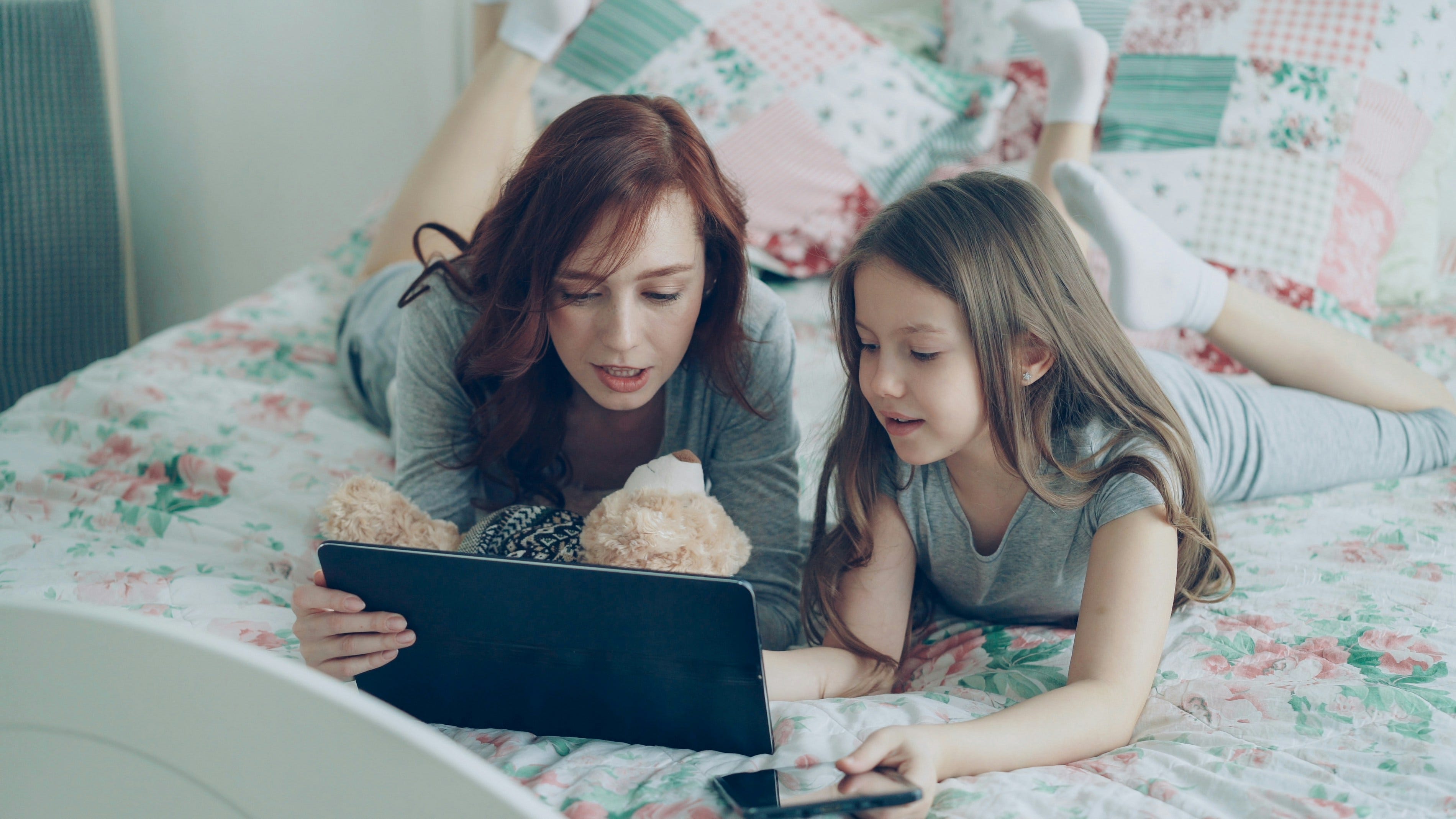
The internet has transformed the way everyone learns, and homeschoolers have really embraced it and made it their own. No longer is the internet a tool for research, it’s a vast, dynamic learning community.
When children go online to explore a question that arises during the day, perhaps about a bird in the backyard, a science experiment, or how to fix a bike chain, as well as learning what they want or need to know, they’re learning how to find answers.
They’re developing digital literacy, critical thinking, research, collation, and summarising skills, all within an active social context.
I remember when my granddaughter became fascinated by coral reefs. We spent an afternoon watching a series of crab.e.cam videos created by a local diver of his underwater dives. We left some comments and she asked a question, which I’m sure he’ll reply to when he sees it. This spurred us on to find and print out the Underwater Guide to plants and animals in South Australia which we’d used before when rambling and exploring our local reef at low tide. We talked about the creatures we’d seen in the past and how some are only found here and others everywhere in Australia. Then we played with the collection of aquatic soft toys, using material and scarfs to simulate underwater homes for them, and came up with suggestions on practical things we can personally do to help to protect marine environments.
Watching videos, following tutorials, playing educational games, joining global online classes and discussions are routine aspects of homeschooling life. Much of it tends to be spontaneous, generated by a passing interest that turns into an impromptu ‘unit study’. But we also tap into educational resources designed for more thorough and structured investigations and collaborations. Lesson plans can quickly be found to cover learning across the curriculum, and in different forms and presentations to match children’s individual learning styles and preferences.
Online homeschool groups and forums provide a great source of information and allow parents to swap curriculum, share ideas, and find encouragement.
Used well, the internet turns home education into a global classroom,
one where learning is social, connected, and alive.
The home library: shared stories, shared learning
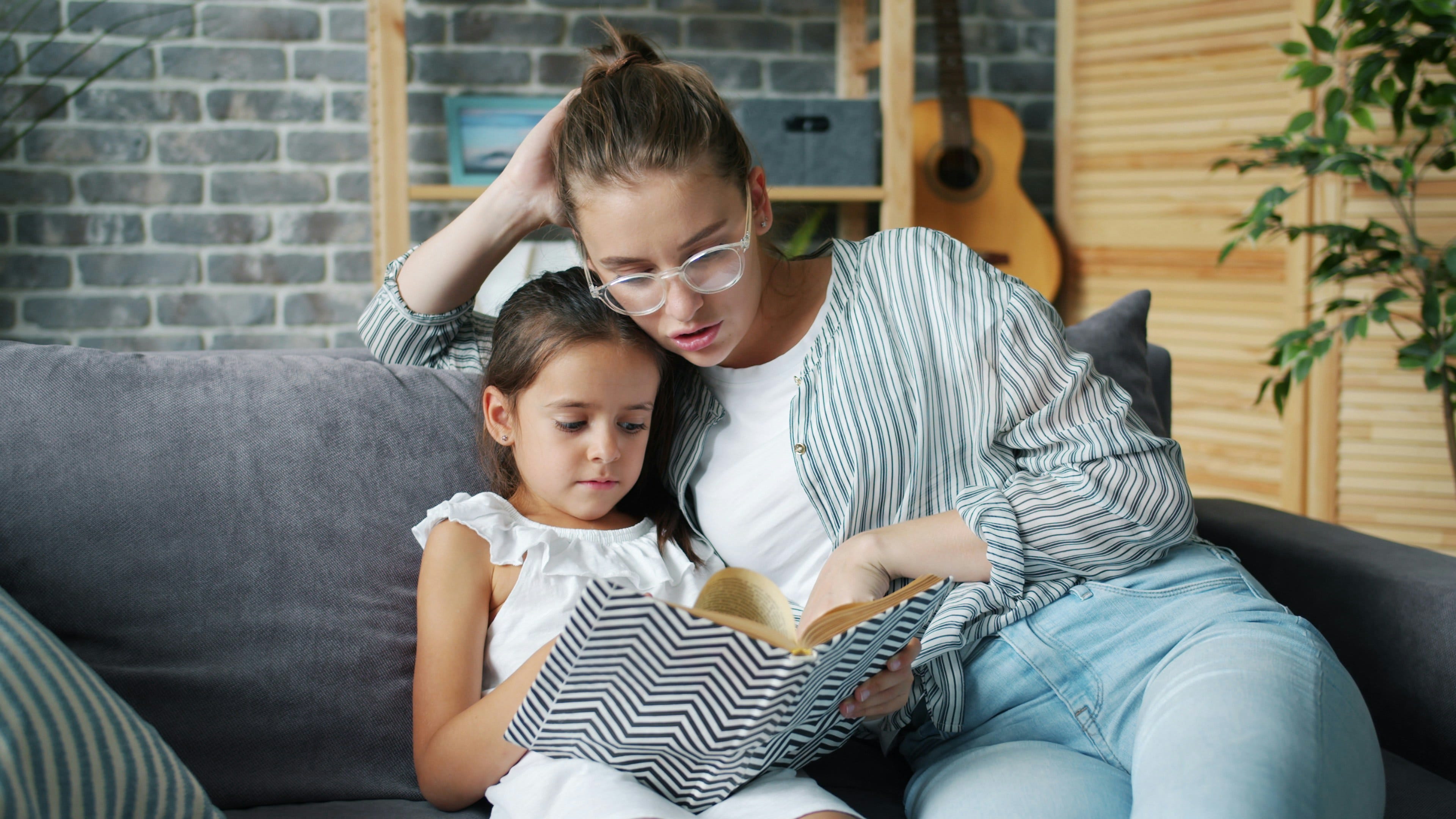
Books are another cornerstone of social learning at home. A well-loved home library becomes a place of family connection, where ideas, stories, and perspectives are shared through reading aloud, discussion, and discovery.
Many homeschool families start with one small bookshelf and end up with walls lined with bookshelves.
Books are at the heart of social learning. When families read together, they don’t just absorb information, they engage in dialogue. A biography might spark a discussion about perseverance; a story about explorers might lead to questions about geography and courage. They become springboards for family conversation.
And the conversations don’t end with the book. They spill into daily life, influencing games, art, writing, and imaginative play. The home library becomes not just a resource, but a social hub of ideas.
I came across book on in the series The Bad Guys series of books by author Aaron Blabey, and asked my young grandkids if I could read it aloud to them. These are a type of graphic novel, which I thought would be a perfect introduction to encourage independent reading. Without thinking I automatically spoke each character’s dialogue with a different accent, to help the kids discern who was saying what. They were delighted and made the whole experience more enjoyable for all of us (though I did end up with a sore throat, mainly because the kids insisted I finish reading the book in one sitting!)
We noticed action sequences similar to those in popular movies, and chatted about how and why the author included them. I paused now and then and asked what they thought would happen next, and why. We talked about problem solving difficulties and complications, how the characters treated each other, touching on perspective-taking and empathy, understanding how others feel and why they act the way they do.
And when the movie came out we all went to see it together. All three grandkids eventually read all of the books in the series themselves, one — not yet an independent reader — taking them to bed every night, teaching herself to read.
Reading together fosters conversation. When my kids were young I’d often read passages from the weekly New Scientist magazine aloud. These were short and succinct and introduced a range of interesting topics and issues. Children learn not just from the text, but from talking about it: asking questions, posing theories, offering opinions, comparing experiences, and sharing feelings. In this way, books become catalysts for meaningful social learning.
Reading aloud transforms information into connection.
Every story becomes a shared adventure.
Learning with family, friends, and community
Homeschooling thrives on relationships. Family, friends, neighbours, and community members all play a part in a child’s education.
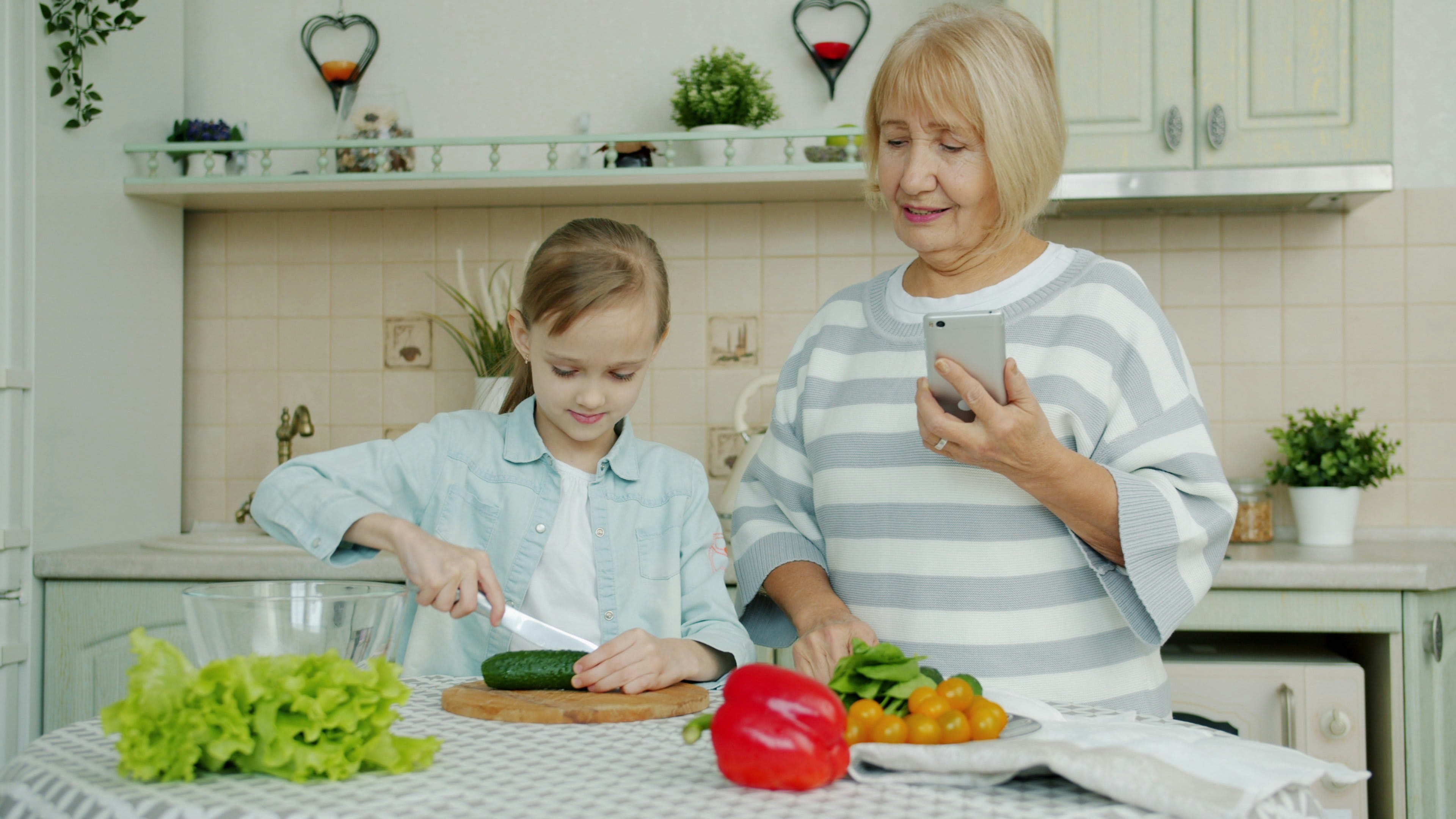
Grandparents share family history, recipes, and stories that connect children with their roots. Friends offer skills: a neighbour who loves gardens, an aunt who plays the piano, a family friend who’s a mechanic. A local author or artist is happy to become a mentor.
Early in our homeschooling life we joined Trees For Life, a voluntary organisation that grows trees to give to farmers for revegetation projects. We went along to the depot to help fill boxes of soil for distribution to the growers, and later asked friends over to our place to help us fill the plastic tubes in which the seedlings would grow. The kids and their friends helped to sow the tree seeds, and weed the tubes, then plant the trees on a neighbour’s property.
These interactions model collaboration, generosity, and lifelong learning. And teach children that everyone has something valuable to offer.
Conversation around the dinner table, joint projects in the shed, baking together, or caring for a younger sibling: all these ordinary moments are powerful examples of social learning. They teach empathy, cooperation, communication, and problem-solving in real-world contexts.
Homeschooling also allows time to cultivate meaningful mentorships. Families build networks of trusted adults who can guide and inspire children. Many homeschoolers collaborate through co-ops or informal study groups, where children learn alongside peers of various ages.
This kind of social learning is multi-generational and inclusive. It’s learning that mirrors the way community actually works.
Through these relationships, children see that knowledge
lives within people, stories, and shared experiences.
The power of conversation
If there’s one thing homeschoolers do exceptionally well, it’s talk.
Conversation is the heartbeat of learning at home. Discussions happen in the car, while cooking, on walks, or during chores. They’re spontaneous and authentic. Parents don’t have to wait for the “right moment” to teach something as the opportunity is already there, embedded in everyday life.
A casual chat in the car can turn into a lesson on history, geography, or philosophy. A question during a baking session can spark a conversation about chemistry or nutrition. On an evening walk one day my young son asked me why the sky turns orange at sunset. I encouraged him to think about what he knew already about light, the atmosphere and weather and we came up with some theories. At home, I grabbed a science book off the shelf, we read a bit, and then using a globe of the Earth and a torch, we turned off the light and simulated a setting sun. Conversations spark activities like that constantly, and turn curiosity into shared discovery.
Most children love to talk and listening attentively gives parents clues about what they understand and know, how they feel, if things are working out okay for them, and what they need to learn next. Talking is how they process their experiences, test ideas, and build understanding.
Curious children are forever asking why, how, and what if questions, and parents find and make time to help them follow where those questions lead, sometimes diving deep into topics on the spot, or making a note to find out later, together.
This freedom to talk, question, and reflect builds confidence and critical thinking. It also maintains a sense of connection — the foundation of all social learning.
Through talking, children learn to reason, to listen, to express themselves, and to explore complex ideas. They also gain insight into how others think and feel, building empathy and communication skills that formal lessons rarely cultivate.
Conversation turns ordinary moments into learning moments
naturally, effortlessly, and meaningfully.
Growing personally, socially, and spiritually
Homeschooling also provides time and space for reflection, a rare gift in a busy world. Families can slow down to discuss values, beliefs, and the meaning behind their actions.
Some families nurture their spiritual growth through religious observance or community service. Others reflect on relationships, self-awareness, and ethical living. Homeschooling allows these conversations to happen naturally, not squeezed between the school run and homework, but woven into daily life.
Because homeschoolers are connected through both local and online networks, they have access to an incredible diversity of perspectives. Children learn to see themselves as part of a wider world, grounded in their own values but open to understanding others.
The world is our classroom — we’re forever getting out and about, visiting interesting places, seeing exhibitions or performances, attending workshops or classes, either on our own as a family or with friends, and also with our local home educating group. We interact with tour guides and museum volunteers, tutors, performers, artists, workers and volunteers.
The result? Young people who are confident, adaptable, self-aware, and socially capable.
Hobbies: where learning meets passion
One of the hidden gifts of homeschooling is time. Time to explore interests deeply, follow curiosity, and experiment without pressure.
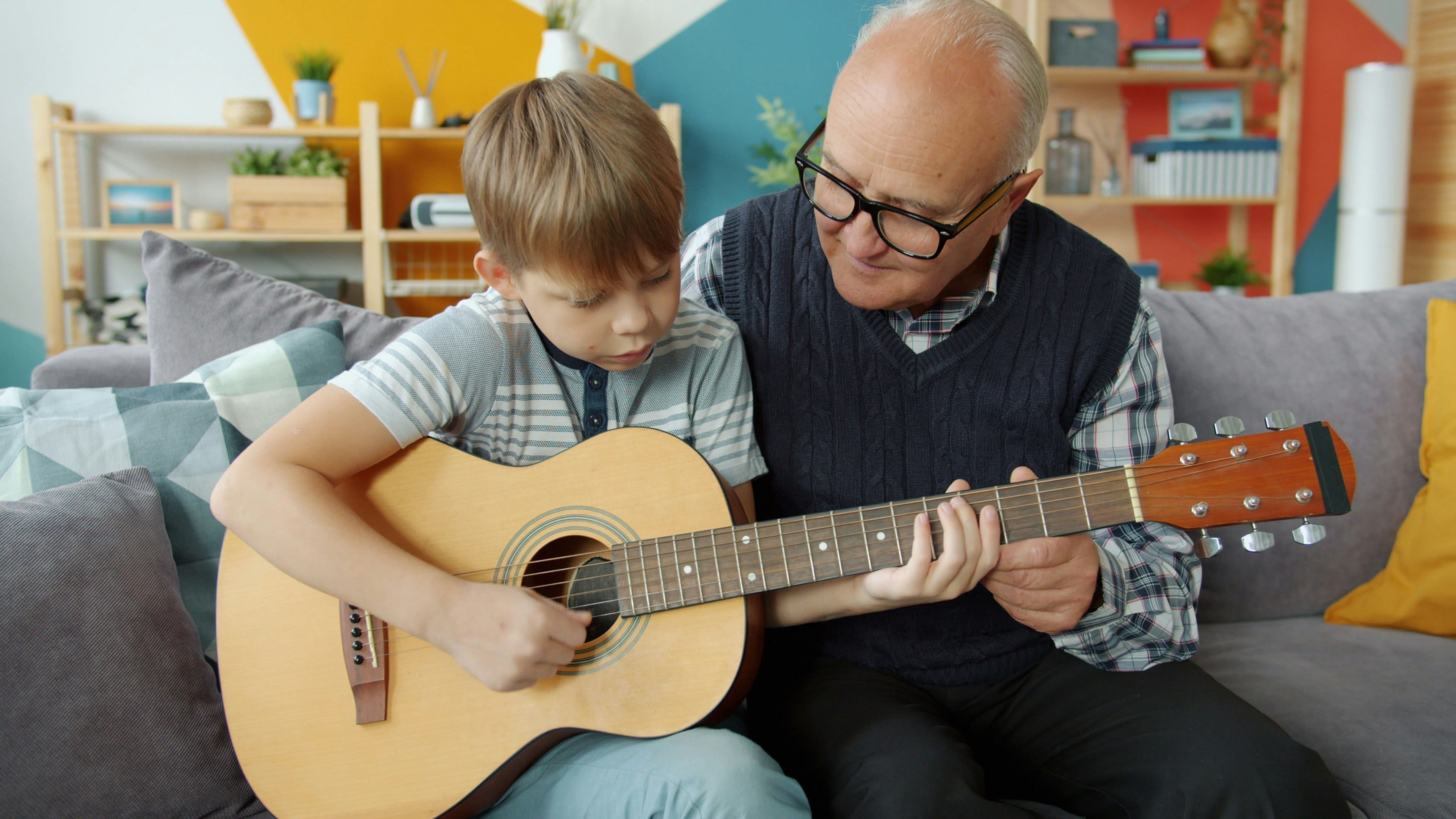
Whether it’s coding, painting, music, robotics, or gardening, hobbies become powerful avenues for social learning. They connect children with others who share their interests through local workshops, online clubs, or community projects.
A hobby might begin as a quiet personal pursuit, but it often grows into a social one as the kids join clubs, attend workshops, participate in exhibitions or competitions. These experiences are rich with collaboration, communication, and creativity.
In 2017, a group of 10-13 year old homeschool kids demonstrated their passion for technology to the world by winning a wildcard entry for international LEGO robotics tournament. It was the first time most of them had been overseas. The venture grow out of one child’s interest in coding and learning how to program, with her mum facilitating the team effort by offering them to meet once a week in her garage. From little things big things grow!
Many homeschoolers discover future career paths through hobbies that began simply as curiosity. It’s social learning in its purest form: connecting passion, practice, and people.
Hobbies often flourish into shared passions,
building friendships and confidence along the way.
In summary…
Homeschooling doesn’t isolate children from the world. It connects them to it in more meaningful, relational, and authentic ways.
Homeschooling transforms learning from something done to a child into something shared with them. Every conversation, relationship, and experience becomes part of the curriculum.
Social learning isn’t confined to classrooms. It happens in conversation, in community, in the daily rhythm of life.
It’s not social isolation. It’s social immersion.
It’s about learning in life, not apart from it. And that’s what makes it so powerful.
It’s too easy to dismiss or downplay the many ways ordinary, everyday life at home build towards a comprehensive educational experience for our children. It may seem like we “doing nothing” because we’re not doing school work, but the extra time we have with our children to engage them in conversation, our ability to provide them with meaningful and immediate feedback on their activities, as well as find appropriate materials and resources for them that build on their learning individual experiences, truly pays dividends.
In the end, homeschooling reminds us that learning is,
and always has been, a profoundly social act.
This article is part of my ongoing series exploring how home education mirrors the natural ways humans learn: through connection, curiosity, and community. Each essay unpacks the subtle, powerful ways homeschooling nurtures both intellect and heart.
If this reflection resonated with you, consider subscribing to receive more essays about home education, family learning, and the everyday beauty of living and learning together.
You can also share this post with a homeschooling friend who might need a reminder that learning at home is, by nature, deeply social.
I drop notes most days and would love to connect with you that way: add a comment or heart to let me know what you think. Don’t forget we can keep the conversation going on any of my posts by adding a comment on them too.
That’s all for now, happy homeschooling and unschooling!
Beverley

Here’s what you can expect from my regular newsletter:
Themed Weekly Focus: Each week has a clear focus, helping you strengthen key areas of your homeschool without feeling scattered.
Encouragement for the Hard Days: Because we all have them, and sometimes a fresh perspective is all we need.
Practical Tools & Ideas: Information about homeschool resources, hands-on activities, exclusive templates, and ways to simplify planning.
Real Talk About Homeschooling: Honest discussions about the challenges and triumphs from someone who has been there and done that, and whose kids are now homeschooling theirs!